
Mar
With the growing demand for herbal supplements and Ayurvedic wellness products, Pure Shatavari Root Powder has become increasingly popular among health-conscious consumers and supplement brands. However, not all products on the market meet high standards of purity, safety, and potency.
If you’re planning to purchase Shatavari powder — whether for personal use or resale — this comprehensive guide will help you identify genuine, high-quality powder and avoid low-grade or adulterated products.
What Is Shatavari Root Powder?
Asparagus racemosus, commonly known as Shatavari, is a traditional Ayurvedic herb widely used to support women’s wellness, hormonal balance, digestive health, and overall vitality.
Pure Shatavari root powder is made by:
- Harvesting mature roots
- Cleaning and drying them
- Grinding into a fine powder
The quality of the final powder depends heavily on cultivation practices, harvesting time, processing methods, and storage conditions.
Why Quality Matters When Buying Shatavari Powder
Low-quality Shatavari powder can result in:
- Reduced effectiveness
- Contamination with heavy metals
- Microbial growth
- Artificial color enhancement
- Adulteration with fillers
High-quality powder ensures:
- Authentic botanical source
- Optimal potency
- Clean-label safety
- Better health outcomes
Whether you are a consumer or supplement brand, product quality directly impacts results and trust.
-
Check Botanical Authenticity
The first step in identifying high-quality powder is confirming it comes from genuine Asparagus racemosus roots.
What to Look For:
- Botanical name listed on packaging
- Country of origin
- Batch number traceability
- Supplier transparency
Professional suppliers often conduct botanical verification tests and provide documentation upon request.
-
Examine Color, Texture & Aroma
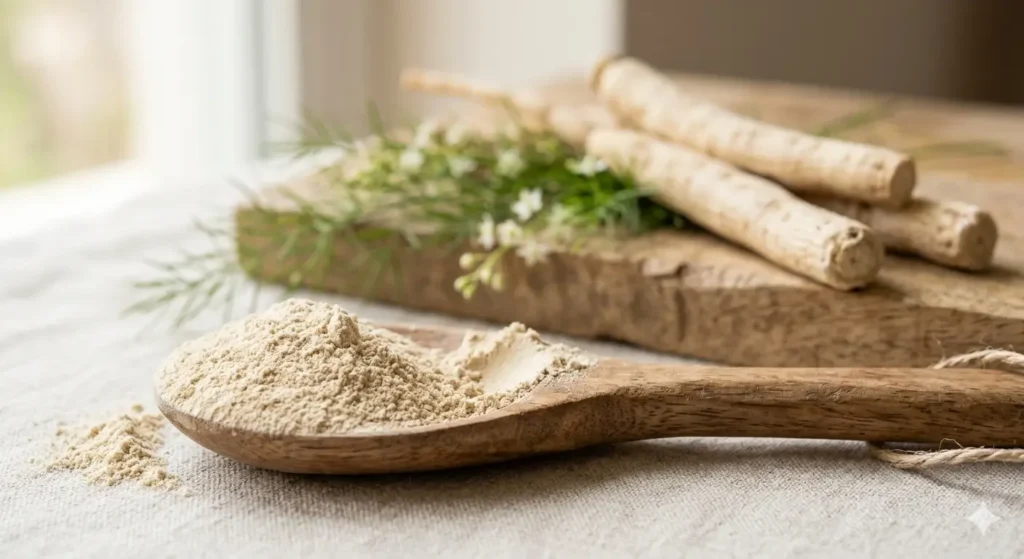
Pure Shatavari root powder typically has:
- Light beige to pale brown color
- Fine, smooth texture
- Mild, earthy aroma
Warning Signs:
- Very dark brown color (possible overheating)
- Strong artificial smell
- Clumpy texture (moisture exposure)
- Extremely bright color (possible additives)
Visual inspection is a simple yet effective first quality check.
-
Ask for a Certificate of Analysis (COA)
Reputable suppliers provide a Certificate of Analysis (COA) for each batch.
A COA should include:
- Microbial testing results
- Heavy metal analysis
- Moisture content
- Pesticide residue testing
- Ash values
If a supplier refuses to share lab testing documentation, consider it a red flag.
-
Verify Heavy Metal & Microbial Testing
Since herbs absorb elements from soil, testing is essential.
High-quality Shatavari powder should be tested for:
- Lead
- Mercury
- Cadmium
- Arsenic
- Salmonella
- E. coli
- Yeast & mold
Ensure testing is conducted by accredited laboratories.
-
Choose Organic or Chemical-Free Sources
Organic cultivation reduces exposure to synthetic pesticides and fertilizers.
When buying organic Shatavari root powder, look for:
- Organic certification labels
- Traceable farm sourcing
- No synthetic chemical usage
Even if not certified organic, the product should be free from harmful agrochemicals.
-
Understand Raw Powder vs Extract
There is a difference between:
Raw Root Powder
- Ground whole root
- Traditional Ayurvedic use
- Lower concentration but full-spectrum profile
Standardized Extract
- Concentrated active compounds
- Higher potency
- Used in capsules and formulations
If you are purchasing raw powder, ensure it is 100% root powder without fillers.
-
Check Moisture Content
High moisture content can lead to:
- Mold growth
- Reduced shelf life
- Clumping
Good-quality Shatavari powder typically has moisture content below 10%.
Proper packaging in moisture-resistant bags also helps maintain stability.
-
Evaluate Packaging Standards
Packaging protects potency.
High-quality suppliers use:
- Food-grade inner liners
- Resealable pouches
- Opaque packaging to block light
- Batch labeling
For bulk buyers, double-layered packaging inside fiber drums is standard.
-
Assess Supplier Transparency
Trustworthy sellers clearly provide:
- Contact information
- Manufacturing location
- Testing certifications
- Customer support
Avoid anonymous sellers with limited product details.
-
Compare Price Realistically
Extremely low prices often indicate:
- Adulteration
- Low-grade raw materials
- Poor processing methods
High-quality Shatavari root requires careful cultivation and processing, which reflects in reasonable pricing.
While price comparison is important, never compromise on safety and authenticity.
Common Adulteration Issues to Watch For
Some low-grade products may contain:
- Added starch fillers
- Other plant powders
- Artificial coloring agents
- Excessive stem material
If possible, request third-party lab reports verifying purity.
Shelf Life & Storage Guidelines
Pure Shatavari root powder typically has a shelf life of:
- 18–24 months under proper storage
Storage recommendations:
- Keep in a cool, dry place
- Avoid direct sunlight
- Seal tightly after use
- Store below 25°C
Proper storage preserves potency and prevents contamination.
Who Should Be Extra Careful When Buying?
Quality verification is especially important for:
- Supplement brands
- Private label companies
- Herbal retailers
- Ayurvedic clinics
- Online sellers
If you are reselling or formulating products, product integrity directly affects your reputation.
Benefits of Choosing High-Quality Pure Shatavari Root Powder
When you select premium quality powder, you can expect:
- Better bioavailability
- Improved consistency
- Higher customer satisfaction
- Reduced risk of contamination
- Stronger brand credibility
Investing in quality upfront prevents long-term issues.
Frequently Asked Questions
How can I confirm purity at home?
Check color, smell, texture, and request lab testing documents from the supplier.
Is organic Shatavari better?
Organic reduces chemical exposure but must still pass quality testing.
What is the difference between root powder and extract?
Root powder is whole-ground root; extract is concentrated active compounds.
Can low-quality Shatavari cause side effects?
Contaminated or adulterated products may pose health risks.
How much should high-quality powder cost?
Pricing varies by origin and certification, but very low prices may indicate compromised quality.
Final Buying Checklist
Before purchasing, confirm:
Botanical name listed
COA available
Heavy metal tested
Microbial tested
Proper packaging
Transparent supplier
Reasonable pricing
Clear origin information
Following this checklist ensures you purchase safe and effective Shatavari root powder.
Conclusion
With increasing global demand for herbal wellness products, the market is filled with varying quality levels. Knowing how to identify high-quality pure Shatavari root powder before you buy protects your health, your customers, and your brand.
From botanical authentication and lab testing to packaging and supplier transparency, every detail matters.
If you are looking for premium-grade, lab-tested Pure Shatavari Root Powder for personal use, retail, or bulk supply, always choose a supplier that prioritizes quality, safety, and full transparency.
Make informed decisions — because when it comes to herbal wellness, purity is everything.
 SPRING SUPER SALES !! 15% off sitewide on everything Promo code "SPRING15"
 Trusted by 35,000+ Customers |
  Free UK Shipping Over £20 |
  Worldwide Delivery!